Humanoid robots in logistics – 'huge opportunities', but not in warehouses yet
Since May, travellers through Tokyo’s Haneda Airport may have seen a new type of worker ...


HON: DEALS ON THE MENUEXPD: NEW RECORD XPO: THE REBOUNDCAT: PAYOUT UPDHL: LIGHTHOUSEMAERSK: ANOTHER UPGRADEFWRD: HEALTHY CORRECTION R: RYDER CEO SAYS R: AMAZON LTL ANNOUNCEMENTPLD: EV INFRASTRUCTURE PUSHDHL: RAMPING UP 'NEW ENERGY LOGISTICS' GXO: NEW WINAMZN: LTL SERVICE UPDATEGM: ENERGY PROVIDER MODEL
HON: DEALS ON THE MENUEXPD: NEW RECORD XPO: THE REBOUNDCAT: PAYOUT UPDHL: LIGHTHOUSEMAERSK: ANOTHER UPGRADEFWRD: HEALTHY CORRECTION R: RYDER CEO SAYS R: AMAZON LTL ANNOUNCEMENTPLD: EV INFRASTRUCTURE PUSHDHL: RAMPING UP 'NEW ENERGY LOGISTICS' GXO: NEW WINAMZN: LTL SERVICE UPDATEGM: ENERGY PROVIDER MODEL
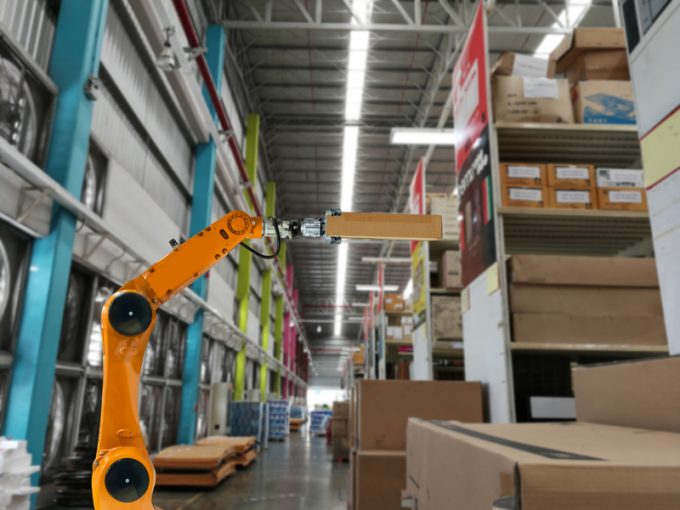
The economics of automating warehouse operations are becoming increasingly plain – in the US, the minimum wage for a worker is $15 an hour, while leasing a robot (as opposed to purchasing one for around $100,000) comes in at around $8 an hour.
This feature from Wired explains how the pandemic-induced labour shortages in production and distribution facilities led to the emergence of a new breed of leasing companies building up fleets of robots and renting them out – a particular attraction for smaller operators nervous of the large capex requirements of directly investing in automation. “The robot-as-employee approach could help automation spread into smaller businesses more rapidly by changing the economics. Companies such as Formic see an opportunity to build large businesses by serving many small firms. Many are mining the data they collect to help refine their products and improve customers’ operations.”
For uninterrupted access, sign in or sign up to The Daily News, Premium or The Loadstar Enterprise Plan.

Comment on this article