Forwarders say policy not consumers will determine green transition
Purchasing patterns indicate that governments cannot rely on consumers to shift the scales in the ...


JBHT: NEW HIGHS EVERYWHEREPLD: STRONG DELIVERYJBHT: FAIR-VALUE CONSENSUS ESTIMATE AT ALL-TIME HIGH KNIN: AI TECH ADVANTAGEPLD: TRADING UPDATE ON THE WAY KNIN: UPSIDEJBHT: STRONG TRADING UPDATE DSV: EVERY LITTLE HELPSJBHT: CEO REMARKS WMT: VERTICAL INTEGRATION IN LOGISTICS
JBHT: NEW HIGHS EVERYWHEREPLD: STRONG DELIVERYJBHT: FAIR-VALUE CONSENSUS ESTIMATE AT ALL-TIME HIGH KNIN: AI TECH ADVANTAGEPLD: TRADING UPDATE ON THE WAY KNIN: UPSIDEJBHT: STRONG TRADING UPDATE DSV: EVERY LITTLE HELPSJBHT: CEO REMARKS WMT: VERTICAL INTEGRATION IN LOGISTICS
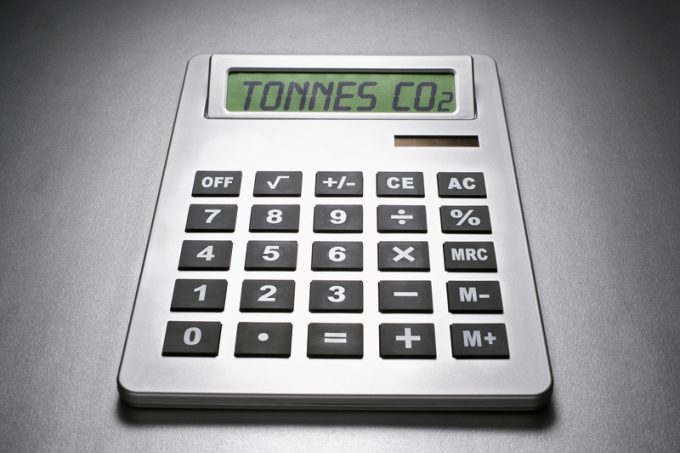
Anyone using shipping line carbon calculators should think again, according to research by Sea Intelligence, because the majority of them are “useless”.
“They are riddled with absurdly poor data quality,” said the consultancy, pointing in particular to sailing distances, which vary wildly. It also revealed that while OOCL’s calculator shows emissions of 96.84 tons of CO2, CMA CGM – on the same route, with the same ship – emits just 56.80 tons. In a post on LinkedIn, Lars Jensen wrote: “No one should use them as basis for decision making, and no one should believe that they can be used for any kind of environmental comparison across carriers.”
In the consultancy’s Sunday Spotlight research, it concluded: “We were sincerely hoping we could point to at least a single shining light in this decrepit miasma of disappointment, but we believe everyone has failed here; there are no winners.” The story is bought to you by Splash24/7.
For uninterrupted access, sign in or sign up to The Daily News, Premium or The Loadstar Enterprise Plan.

Comment on this article