The US flags a most convenient way to boost its shipping fleet
In the early days of the Houthis’ Red Sea denial, the rebel militia, known to ...


PLD: TRADING UPDATE ON THE WAY KNIN: UPSIDEJBHT: STRONG TRADING UPDATE DSV: EVERY LITTLE HELPSJBHT: CEO REMARKS WMT: VERTICAL INTEGRATION IN LOGISTICSJBHT: HERE WE GOPG: STEADYEXPD: NEW RECORD BA: DELIVERIESMAERSK: BEAR CAMP MUSINGSCHRW: HIGHER HIGHS ON THE RADAR
PLD: TRADING UPDATE ON THE WAY KNIN: UPSIDEJBHT: STRONG TRADING UPDATE DSV: EVERY LITTLE HELPSJBHT: CEO REMARKS WMT: VERTICAL INTEGRATION IN LOGISTICSJBHT: HERE WE GOPG: STEADYEXPD: NEW RECORD BA: DELIVERIESMAERSK: BEAR CAMP MUSINGSCHRW: HIGHER HIGHS ON THE RADAR
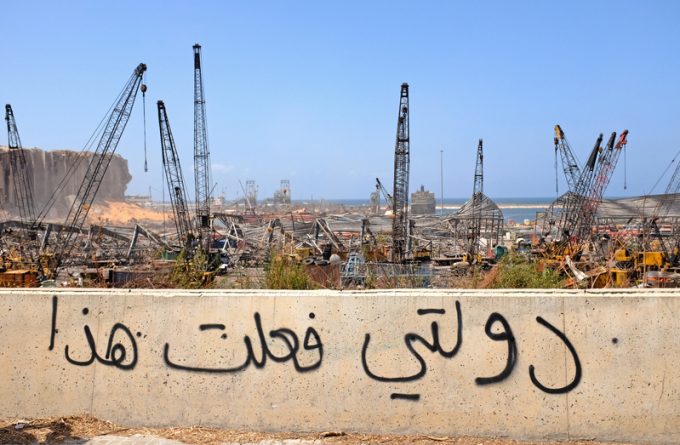
The dark side of the shipping industry – well, one of them – has come to the fore following the tragic explosion in Beirut and the ship which ran aground in Mauritius, leaking heavy oil and toxic fuel onto a coral reef. An article in Forbes says it’s time to review shipping regulations, in particular vessel registration.
The ship is Japanese-owned but Panama-flagged, and Japan has not offered to help with the clearing up, despite the vessel being 200 miles off course. The author argues for a vessel risk index, based on ownership, crew, vessel safety and so on, which would also give some transparency to customers choosing a shipping line.
There’s a lot that must be done: start by reading this article.
For uninterrupted access, sign in or sign up to The Daily News, Premium or The Loadstar Enterprise Plan.

Comment on this article