FedEx Life Sciences launches to 'meet the demands of next-gen healthcare'
FedEx today launched a dedicated life sciences division, as the pharmaceutical industry moves towards increasingly ...


JBHT: NEW HIGHS EVERYWHEREPLD: STRONG DELIVERYJBHT: FAIR-VALUE CONSENSUS ESTIMATE AT ALL-TIME HIGH KNIN: AI TECH ADVANTAGEPLD: TRADING UPDATE ON THE WAY KNIN: UPSIDEJBHT: STRONG TRADING UPDATE DSV: EVERY LITTLE HELPSJBHT: CEO REMARKS WMT: VERTICAL INTEGRATION IN LOGISTICS
JBHT: NEW HIGHS EVERYWHEREPLD: STRONG DELIVERYJBHT: FAIR-VALUE CONSENSUS ESTIMATE AT ALL-TIME HIGH KNIN: AI TECH ADVANTAGEPLD: TRADING UPDATE ON THE WAY KNIN: UPSIDEJBHT: STRONG TRADING UPDATE DSV: EVERY LITTLE HELPSJBHT: CEO REMARKS WMT: VERTICAL INTEGRATION IN LOGISTICS
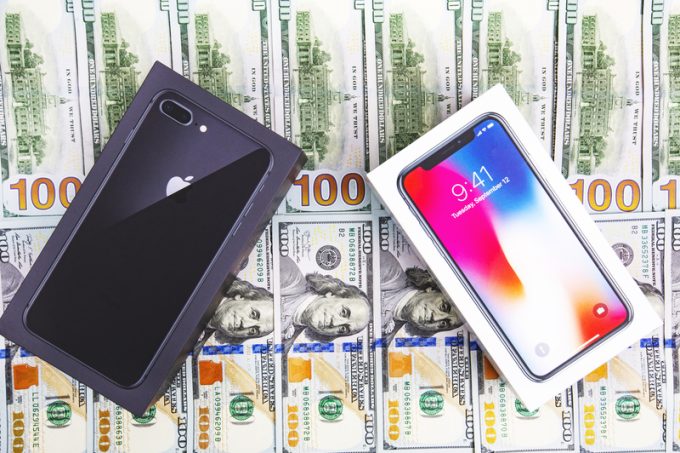
Electronics and pharmaceutical shippers are expected to be racing to get transport to the US in advance of potential new tariffs on the sectors.
On Friday, the White House said it was excluding electronics such as phones, laptops, and semi-conductors from its 125% tariffs on China. While the products, if sourced in China, are still subject to the 20% fentanyl tariffs, President Trump noted on his social media platform that the sector would face its own “bucket” of tariffs.
Currently, electricals sourced outside of China, such as in Vietnam, will have no tariffs.
“We are taking a look at semiconductors and the whole electronics supply chain in the upcoming National Security Tariff Investigations,” the president wrote.
However, in yet more challenges for manufacturers, the timing of the proposed “investigation” is not clear: the tariff rate may be announced in the coming week, according to Reuters, with implementation expected in the next couple of months, according to commerce secretary Howard Lutnick.
The electronics listed by the White House for the new tariffs include computers and parts, apparatus used for making semi-conductor parts and devices, smartphones, flat-panel displays, and solar cells. The complete list of HTS numbers affected are here.
S&P Global Market Intelligence said the latest ruling could see an early peak of electronics shipments to the US.
“Fully moving supply chains for phones and computers to the US was impractical in a less-than-three-year view, and alternative sourcing strategies would have proven challenging ahead of the peak sales season — mainland Chinese shipments to the US normally peak in September through November,” added Chris Rogers, head of supply chain research, S&P Global Market Intelligence.
Mainland China accounted for 81.1% of US imports of smartphones, 66.1% of laptop computers, 14.2% of components, and 13.7% of other network devices in 2024, according to S&P Global Market Intelligence data.
Non-Chinese Asian exporters are already scrambling to find capacity on the ocean to beat the 90-day pause on ‘reciprocal’ tariffs, and now the electronics industry is expected to follow suit on both air and sea.
Also expected to receive its own ‘basket of tariffs’ are pharmaceuticals. Mr Trump said last week that an announcement would be made “very shortly”.
This is expected to disrupt transatlantic as well as Asia-US trade routes. Last year, pharmaceuticals were the EU’s largest export to the US, reportedly worth $127bn. But Chinese and Indian exports are also likely to be impacted.
Americans already pay two to three times more for prescription drugs than people in other developed countries, and there is also an “unprecedented” shortage of medicines in the US, which exporters will hope could lead to another u-turn by the White House
Meanwhile, China’s appeal to the EU to confront “bullying” and work more closely on trade could benefit the latest move by Etihad Cargo, which is set to increase capacity between Asia, the Middle East, and Europe. It said today it had added flights to and from China, from 11 last year to 18.
It has wet-leased a 747F to support an extra three weekly freighter flights to Shenzhen and two extra flights to London for the transport of ecommerce, pharma, and perishables, it said.
Rival Emirates SkyCargo, meanwhile, has reportedly also wet-leased three 747Fs.
Catch up on all the latest news with today’s bite-sized News in Brief podcast
For uninterrupted access, sign in or sign up to The Daily News, Premium or The Loadstar Enterprise Plan.

Comment on this article