Air freight contracts a challenge for shippers and forwarders in a tightening market
Annual air freight contracts are becoming increasingly difficult to sustain as market conditions shift decisively ...

KNIN: CONF CALL CLOSING KNIN: PRICING POWER KNIN: MARKET SHARE GAINS IN ROAD KNIN: AI-RELATED COST INFLATION OUTLOOKKNIN: APEX LOGISTICS IPO UPDATEKNIN: QUESTION TIMEKNIN: 'COST REDUCTION PROGRAMME IS ON TRACK'KNIN: CFO REMARKSKNIN: MONETARY IMPACT FROM AI KNIN: AI UPSIDEKNIN: STRONG ROAD UNIT DELIVERY KNIN: AIR LOGISTICS SHINESKNIN: SEA LOGISTICS PERFORMANCE KNIN: CEO REMARKSKNIN: CONF CALL F: NEW PARTNERSHIP DISCLOSEDDSV: LITTLE CHANGE
KNIN: CONF CALL CLOSING KNIN: PRICING POWER KNIN: MARKET SHARE GAINS IN ROAD KNIN: AI-RELATED COST INFLATION OUTLOOKKNIN: APEX LOGISTICS IPO UPDATEKNIN: QUESTION TIMEKNIN: 'COST REDUCTION PROGRAMME IS ON TRACK'KNIN: CFO REMARKSKNIN: MONETARY IMPACT FROM AI KNIN: AI UPSIDEKNIN: STRONG ROAD UNIT DELIVERY KNIN: AIR LOGISTICS SHINESKNIN: SEA LOGISTICS PERFORMANCE KNIN: CEO REMARKSKNIN: CONF CALL F: NEW PARTNERSHIP DISCLOSEDDSV: LITTLE CHANGE
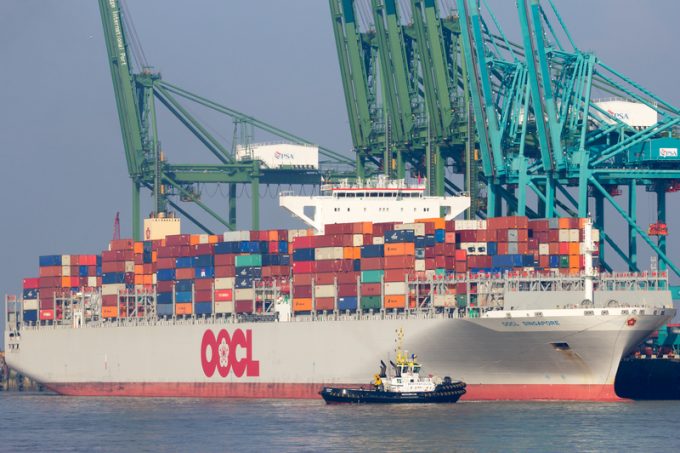
This week’s Xeneta “naming and faming” chart shows OOCL was the most efficient carrier on the US east coast-Far East tradelane.
The carrier edged out CMA CGM from the top spot, with a carbon emissions index (CEI) rating of 71.6.
It also trounced MSC, with a ranting more than double OOCL’s, demonstrating that, at least according to Xeneta data, the tradelane is an ’emissions blind spot’ for Maersk’s 2M Alliance partner.
Xeneta noted that OOCL had recorded a substantial improvement, of 27.4%, from Q4 22.
Average speed on the USEC-Far East trade was 14.2 knots, the slowest since before the pandemic, in Q1 18.
Average filling factor, meanwhile, was 57%, which while low, represented an improvement of nearly 3% on Q4 22. However, OOCL managed to outpace the average, with an 11% improvement, taking its filling factor to 64%.
Last week, Maersk was crowned CEI champion of the USEC-to-Mediterranean backhaul tradelane.
A high level of scrutiny is being placed on ship emissions at the International Maritime Organization (IMO) this week, in what is being regarded as the UN body’s most important meeting in some time. MEPC 80 will host debates over medium-term emissions targets for 2030 and 2040.
However, changes in the carbon intensity index (CII) – the IMO’s preferred model for measuring emissions, distinct from Xeneta’s CEI measure – would be “vanishingly unlikely”, a spokesperson told The Loadstar last week.
For uninterrupted access, sign in or sign up to The Daily News, Premium or The Loadstar Enterprise Plan.
Comment on this article