Gulf resolution needed, says DHL chief fearing for Asia-Europe trade
DHL chief executive Tobias Meyer has praised the speed at which the company relocated its ...


CHRW: OVERVALUEDGM: NEW BIZFDX: GROWING CAUTIOUSDHL: DOUBLE UPGRADEDSV: STOCK MARKET REACTION XOM: OIL INVENTORY WARNINGWTC: EBL DEAL DETAILSWTC: EBL DEALEXPD: 'READ MY LIPS' HON: DEALS ON THE MENUEXPD: NEW RECORD XPO: THE REBOUNDCAT: PAYOUT UP
CHRW: OVERVALUEDGM: NEW BIZFDX: GROWING CAUTIOUSDHL: DOUBLE UPGRADEDSV: STOCK MARKET REACTION XOM: OIL INVENTORY WARNINGWTC: EBL DEAL DETAILSWTC: EBL DEALEXPD: 'READ MY LIPS' HON: DEALS ON THE MENUEXPD: NEW RECORD XPO: THE REBOUNDCAT: PAYOUT UP
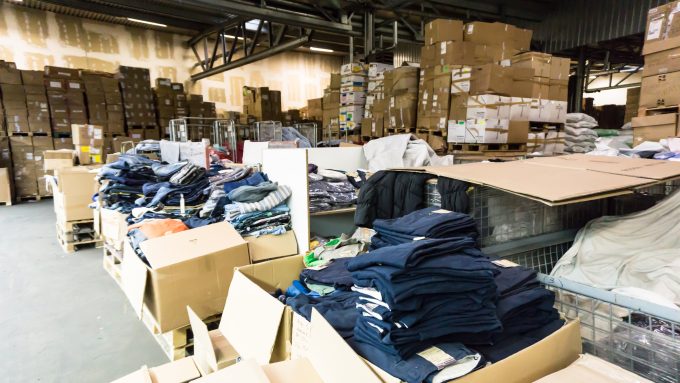
As the US-Israel war against Iran rages on, garment exporters in Asia are struggling to source transport capacity for European customers.
One forwarder based in Thailand told The Loadstar delays had become the norm for anything going by air, their usual connections, using Emirates, Etihad, and Qatar, all out of action.
“We have relied on these major Gulf carriers, and of course all of them have grounded their aircraft and cancelled their flights because of the retaliatory strikes on US allies by Iran across the region. And, worryingly, that target list appears to be growing further still.”
While the forwarder noted that there were other operators that had capacity into their markets, they said much of that had already been “hoovered up”.
And airlines that had capacity available were marking up the rates, the forwarder said, pointing out that they were left with no option but to pass this onto customers – “it’s feeling exploitative”.
“It is what we expected to see as soon as the news broke that places like Dubai were being hit,” the forwarder continued.
“Our first thought was for the people under the bombs but then we realised that these key airfreight carriers were going to be knocked out of action, and we immediately began looking for options; which proved hard to come by.”
Another forwarder told The Loadstar the situation demonstrated how dependent global supply chains had become on the region for continuity. The forwarder, based in India, said that they too had been dependent on the Middle East for connections to their markets in Europe, but had been forced to source space from European carriers, “at a significant mark-up”.
They added: “It is not only the cost we are having to deal with, but the congestion this sort of situation brings.
“Emirates and Etihad are responsible for handling round 5% of our Chennai exports, but their flights account for some 30% to 40% of available cargo capacity out of the airport, so when they go offline there is a massive surge in demand.”
South-east Asian forwarders moving goods by ocean seem less concerned at the impact of the war, which at one point saw 10% of capacity trapped in the Gulf.
A forwarder from Myanmar told The Loadstar: “The Iran war has led to an increase in transit times for our ocean freight shipments, but this increase has only been fractional and we are finding ways to deal with it. It is far worse for airfreight.”
For uninterrupted access, sign in or sign up to The Daily News, Premium or The Loadstar Enterprise Plan.
Comment on this article