MSC, Mærsk & CMA CGM – where rivalry doesn't matter (and where it does)
Behind closed doors


FDX: TRADING UPDATE ON THE WAY TSLA: ON THE MENDGM: TECH STARTUP LISTINGCHRW: BOLT-ON DEAL TIMEDHL: GO GREENDSV: BULLISH DSV: NOTE TO INVESTORSKO: TAX FIGHTDSV: STILL 'OVERWEIGHT'WTC: HAMMEREDWTC: MOUNTING TROUBLEWTC: ANOTHER DIFFICULT WEEK CHRW: NEW PRODUCT LAUNCH
FDX: TRADING UPDATE ON THE WAY TSLA: ON THE MENDGM: TECH STARTUP LISTINGCHRW: BOLT-ON DEAL TIMEDHL: GO GREENDSV: BULLISH DSV: NOTE TO INVESTORSKO: TAX FIGHTDSV: STILL 'OVERWEIGHT'WTC: HAMMEREDWTC: MOUNTING TROUBLEWTC: ANOTHER DIFFICULT WEEK CHRW: NEW PRODUCT LAUNCH
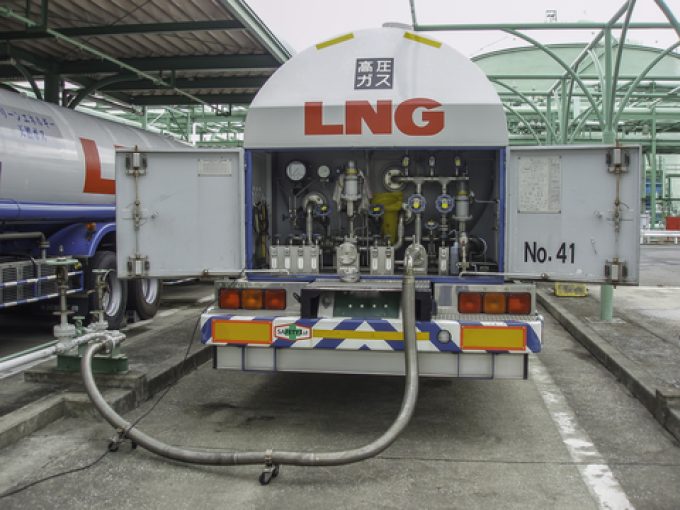
Anyone concerned that Qatar’s decision to suspend LNG production may lead to a spike in their shipping costs needn’t be, if the carriers we spoke to are to be believed… and terminals in the Gulf are stressing that they are back up and running following attacks by Iran.
Global supply chains have been thrown into their latest state of flux following the assault by Israeli-US forces against the leadership in Tehran that began on Saturday and continued throughout the week, with the US’s regional allies bearing the brunt of retaliation.
Despite not involving itself in the conflict, the UAE has been struck by Iran’s Revolutionary Guard with equal measure as Israel itself, leading to terminals at Jebel Ali coming under fire, while Doha also found itself pummelled by Iranian artillery.
The attacks against Doha prompted Qatar to announce the suspension of LNG production and exports, and, given the country is responsible for some 20% of global LNG supply, there were concerns this could impact costs for carriers using dual-fuel vessels.
But fear not shippers and forwarders, it appears that knocking one-fifth of global supply out of the equation will have minimal impact on carriers’ capacity to satiate their demand for the stuff, with sources seemingly unfazed by the news.
Offering to go on the record, Israeli container line Zim gave The Loadstar a fuller statement than most: “Qatar’s recent decision regarding LNG production does not impact Zim’s operations.
“Our LNG bunkering programme is based primarily on non‑Qatari supply sources, and our long‑term contracts ensure continued fuel availability without interruption,” the spokesperson added, assuaging concerns that the conflict may offer carriers a route to another surcharge.
Regardless of whether Zim sources its LNG from elsewhere, given that fuel is priced on the global market, the decision of not only one supplier, but a supplier responsible for one-fifth of what the world consumes, will likely have knock-on impacts for customers.
The two biggest players, CMA CGM and MSC, have yet to comment on their LNG supplies and what this means for their customers, but given the French carrier’s deal with TotalEnergies, which counts Qatar among its suppliers, warning bells should be sounding.
Whether those bells are ringing or not is another issue entirely, speaking of which, despite finding themselves the outlet for Iranian ire, the Gulf states are scrambling to get things back up and running.
At the time of writing, port operations at Fujairah were temporarily closed for inspection, while those in Bahrain remain suspended, but Jebel Ali, the largest port in the region, is back up and running after a fire prompted by a missile strike.
Operator DP World said: “All terminals at Jebel Ali Port in Dubai are operating normally. We continue to monitor developments closely and remain in close coordination with the relevant authorities. Enhanced safety and security measures remain in place across the port.”
Together with DP World’s facilities, AD Ports confirmed that all its UAE ports and terminals remained fully operational after the company kicked its crisis management and business continuity protocols into gear.

For uninterrupted access, sign in or sign up to The Daily News, Premium or The Loadstar Enterprise Plan.

Comment on this article