Norfolk Southern's COO quit mid-merger – nobody's asking the right question
Leadership bench optimized for integration, but if the deal falls apart…


PLD: DOWN SHE GOESPLD: REIT DEAL-MAKINGFDX: HOLDING UPVW: BIG DIVESTMENTAMZN: AI INVESTMENTMAERSK: ANOTHER UPGRADE GXO: CONTRACT RENEWALFDX: SELL-SIDE REACTION TO INTERIMSFDX: CONF CALL FDX: EARNINGS BEAT FDX: FREIGHT SPIN-OFF UPSIDEPLD: 'OPPORTUNISTIC DEAL-MAKING'PLD: REJECTED BY SEGROPLD: HUNTINGKNIN: BOND FINANCINGWTC: UP WE GODHL: NEW CFO APPOINTMENT
PLD: DOWN SHE GOESPLD: REIT DEAL-MAKINGFDX: HOLDING UPVW: BIG DIVESTMENTAMZN: AI INVESTMENTMAERSK: ANOTHER UPGRADE GXO: CONTRACT RENEWALFDX: SELL-SIDE REACTION TO INTERIMSFDX: CONF CALL FDX: EARNINGS BEAT FDX: FREIGHT SPIN-OFF UPSIDEPLD: 'OPPORTUNISTIC DEAL-MAKING'PLD: REJECTED BY SEGROPLD: HUNTINGKNIN: BOND FINANCINGWTC: UP WE GODHL: NEW CFO APPOINTMENT
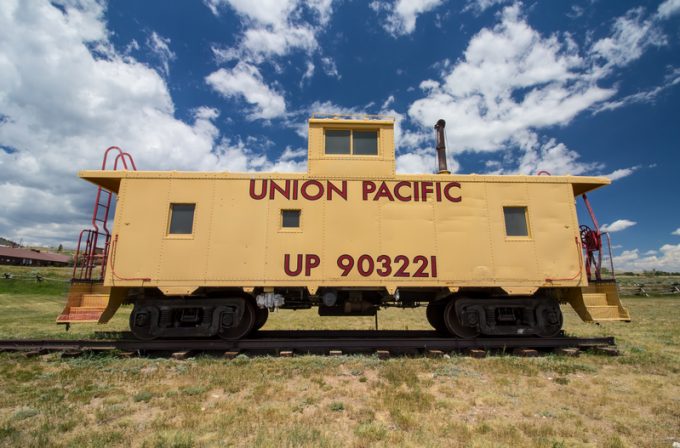
Shareholders at both Norfolk Southern (NS) and Union Pacific voted overwhelmingly on Friday to support their looming $85bn tie-up.
But the merger faces more opposition after a wave of Republican state attorneys general warned it threatened the “America First” policy and even national security.
Following news that 99% of shareholders of both railroads had backed the deal, NS CEO Mark George said the vote marked a key milestone, and expected the formal merger application to be filed by the start of next month.
He said the merger would “preserve union jobs and improve safety”, and would “unleash the industrial strength of American manufacturing” and create economic growth across the country.
That position, however, has come under persistent scrutiny from unions, and also on Friday, a group of nine Republican state attorneys general raised concerns with the Surface and Transportation Board (STB).
In a letter to the STB, they said: “The merger will result in undue market concentration that stifles competition and therefore creates higher prices, lower reliability, and less innovation at the expense of America’s manufacturers and, ultimately, America’s consumers.
“An ‘America First’ economy will not work if high internal shipping costs kneecap American companies’ ability to compete with foreign manufacturers. The merger’s downstream impact poses significant risk not just for our industrial base but also our agricultural producers.”
Claiming previous railroad mergers had only led to a “dramatic” increase in costs and a worsening quality of service, the letter also argued that “ultimately, this merger could compromise our national security”.
The letter will raise headaches within a Trump administration that appeared keen to sign off on the merger. And the president’s support for the deal appeared to be exemplified by his decision in August to remove STB member Robert Primus, who had expressed opposition to further railroad consolidation, leading many to presume the deal was a foregone conclusion.
One of just two Democrats on the STB, Mr Primus has filed a lawsuit against STB chair Patrick Fuchs, challenging the legality of his dismissal, contending that it violated the STB’s independence.
An NS-UP merger would be the largest in railroad history, and create the US’s first coast-to-coast transcontinental railroad, but any deal is not expected to close until at least 2027.
Get up to speed on all things supply chain!

For uninterrupted access, sign in or sign up to The Daily News, Premium or The Loadstar Enterprise Plan.

Comment on this article