Flexport-Freightmate case tests ownership of AI freight data and workflows
The legal battle between Flexport and freight-tech start-up Freightmate is increasingly becoming a test case ...


KNIN: BOND FINANCINGWTC: UP WE GODHL: NEW CFO APPOINTMENTFDX: TRADING UPDATE ON THE WAY TSLA: ON THE MENDGM: TECH STARTUP LISTINGDSV: NEW HIGH TARGET CHRW: BOLT-ON DEAL TIMEDHL: GO GREENDSV: BULLISH DSV: NOTE TO INVESTORSKO: TAX FIGHTDSV: STILL 'OVERWEIGHT'WTC: HAMMEREDWTC: MOUNTING TROUBLE
KNIN: BOND FINANCINGWTC: UP WE GODHL: NEW CFO APPOINTMENTFDX: TRADING UPDATE ON THE WAY TSLA: ON THE MENDGM: TECH STARTUP LISTINGDSV: NEW HIGH TARGET CHRW: BOLT-ON DEAL TIMEDHL: GO GREENDSV: BULLISH DSV: NOTE TO INVESTORSKO: TAX FIGHTDSV: STILL 'OVERWEIGHT'WTC: HAMMEREDWTC: MOUNTING TROUBLE
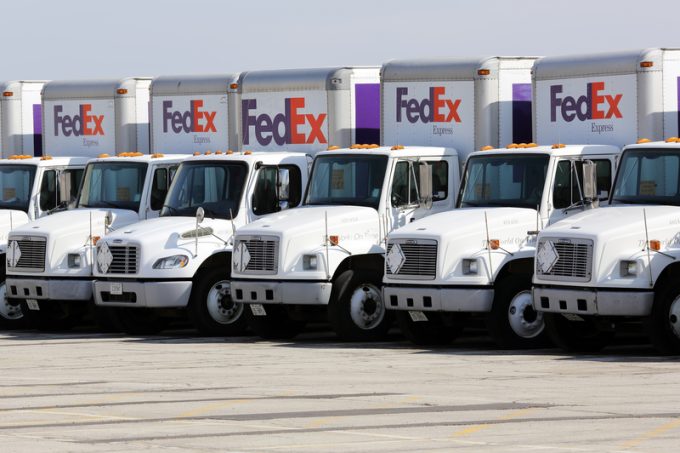
FedEx is facing costs of hundreds of millions of dollars – yet again – over how it treats its delivery drivers, with more than 2,200 workers filing a class action accusing the parcel giant of misclassification and unpaid overtime.
The lawsuit, filed this week in a Pennsylvania court, claims FedEx controls staff like an employer, but hides behind layers of “independent service providers” (ISPs) to avoid paying drivers properly.
Drivers allege they are told what to wear, what equipment to use, what routes to take, and when to start and finish. They begin and end their shifts at FedEx terminals, deliver exclusively FedEx parcels, and are subject to FedEx standards and discipline — including customer complaints handled directly by the company.
Yet, despite this employer-like oversight, the drivers are not paid overtime, even though many routinely work more than 40 hours a week. But, because many drive smaller trucks — under the 10,001lb threshold that exempts larger vehicles from overtime rules — the lawsuit argues they should qualify under the Fair Labor Standards Act (FLSA) and state labour laws.
If successful, FedEx could face liability in the hundreds of millions of dollars, once unpaid wages, damages, and court costs are factored in.
The class action is simply the next chapter in a decade-long battle. In 2014, courts in Kansas, California and Oregon all ruled that FedEx’s drivers were, in fact, employees. The Ninth Circuit held that drivers were employees “as a matter of law” under state tests. The Kansas Supreme Court came to a similar conclusion.
Those decisions prompted FedEx to abandon its direct contractor model and roll out the ISP system. Under this structure, FedEx contracts with small business owners, who in turn employ the drivers. The company has long argued this insulates it from being considered the drivers’ employer.
But drivers argue it is merely the same misclassification in a new wrapper. According to the complaint, the “drivers’ responsibilities and procedures did not change in any material way” after FedEx shifted them to ISPs.
It could be expensive. FedEx paid out $228m in 2015 to settle with more than 2,000 Californian drivers; it agreed another $240m settlement a year later across 20 states; and it has also agreed smaller payouts in other states, including Oregon ($15.45m) and New Jersey ($2.47m). All in all, it has paid out nearly half a billion dollars on the misclassification claim.
This new class action could also run into hundreds of millions of dollars – and potentially result in changes at other companies that rely on contractors.
29 September was a bad day for FedEx: at the same time, its pilots issued a formal vote of no-confidence in CEO Rajesh Subramaniam. It could spell difficult times for the company.

For uninterrupted access, sign in or sign up to The Daily News, Premium or The Loadstar Enterprise Plan.

Comment on this article