Transpacific trades in unchartered water, with tariff uncertainty at the helm
A declining sales-to-inventory ratio in the US has been one of the key reasons behind ...

KNIN: CONF CALL CLOSING KNIN: PRICING POWER KNIN: MARKET SHARE GAINS IN ROAD KNIN: AI-RELATED COST INFLATION OUTLOOKKNIN: APEX LOGISTICS IPO UPDATEKNIN: QUESTION TIMEKNIN: 'COST REDUCTION PROGRAMME IS ON TRACK'KNIN: CFO REMARKSKNIN: MONETARY IMPACT FROM AI KNIN: AI UPSIDEKNIN: STRONG ROAD UNIT DELIVERY KNIN: AIR LOGISTICS SHINESKNIN: SEA LOGISTICS PERFORMANCE KNIN: CEO REMARKSKNIN: CONF CALL F: NEW PARTNERSHIP DISCLOSEDDSV: LITTLE CHANGE
KNIN: CONF CALL CLOSING KNIN: PRICING POWER KNIN: MARKET SHARE GAINS IN ROAD KNIN: AI-RELATED COST INFLATION OUTLOOKKNIN: APEX LOGISTICS IPO UPDATEKNIN: QUESTION TIMEKNIN: 'COST REDUCTION PROGRAMME IS ON TRACK'KNIN: CFO REMARKSKNIN: MONETARY IMPACT FROM AI KNIN: AI UPSIDEKNIN: STRONG ROAD UNIT DELIVERY KNIN: AIR LOGISTICS SHINESKNIN: SEA LOGISTICS PERFORMANCE KNIN: CEO REMARKSKNIN: CONF CALL F: NEW PARTNERSHIP DISCLOSEDDSV: LITTLE CHANGE
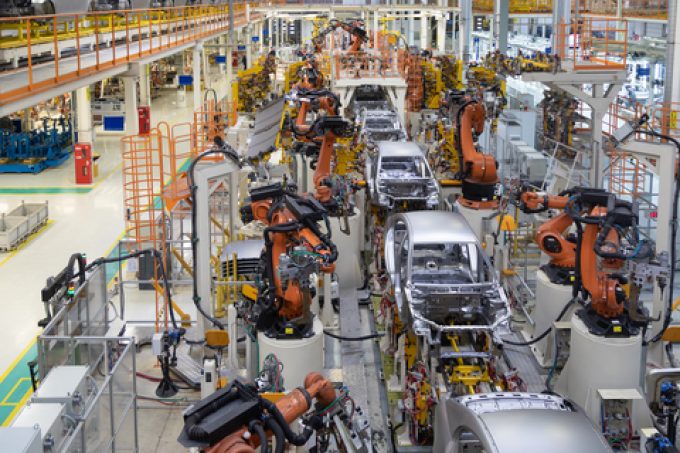
US automakers are facing a massive hike in car production costs with the imposition of 25% tariffs on all imported steel and aluminium.
The levies came into effect this morning, with President Trump having rowed back after threatening to hit Canada with 50% tariffs, although he maintained his recommendation that its northern neighbour become the US’s 51st state, to avoid a costly trade war.
While the intent is to penalise those importing into the US, the general consensus is that the actions taken by the White House will hit American consumers hardest.
And this has prompted a wave of businesses to seek carve-outs or delays, the US automotive sector having been particularly vocal on its dependence on Canadian steel to avoid price hikes at a time when US consumers appear to be reducing their spend.
Rajeeb Mohapatra, CEO of Redefined Logistics, said other sectors, including aerospace, were also exposed by the tariffs.
“Some of these US-produced parts are exported to Mexico for vehicle assembly – but now, Mexican factories inherit the higher component costs along with a US-MX tariff,” he wrote on LinkedIn.
“The completed vehicles return to the US, now carrying higher production costs, plus a 25% tariff, making them significantly more expensive.”
That the threatened 50% levy on Canada was reduced to 25% does not undermine Mr Mohapatra’s point that costs will spike dramatically, particularly considering the US last year imported $19.5bn worth of Canadian steel, which would cost $24.3bn today.
But for automakers, the problem is particularly acute, as just two US steel producers offer the high-finish steel they favour, Cleveland-Cliffs and US Steel.
The latter is in a precarious moment, financial difficulties having left US Steel stuck in acquisition territory, with Cleveland-Cliffs and Japan’s Nippon Steel keen to acquire a one-time behemoth.
Automakers may favour the Japanese offer due to concerns of a potential monopoly from the Cleveland deal – but regulators in successive administrations have dismissed the idea.
The steel and aluminium tariffs are set to cause price hikes for those in the aerospace sector as suppliers simply up their prices to compensate. And according to The Wall Street Journal,the administration has refused to offer any concessions or delays with this tranche of tariffs.
Chair of the Coalition for Prosperous Americans (CPA), one of the bodies believed to be advising Mr Trump, Zach Mottl said: “The president’s recent tariff announcement is exactly the bold action we need to secure America’s industrial strength.
“Our report shows conclusively tariff exemptions have undermined American steel and aluminium producers, costing thousands of jobs and weakening economic security.”
And the CPA stressed the need to “implement these tariffs comprehensively, including on downstream derivative products, to protect American industry from subsidised foreign imports”.
The focus on downstream products has left shippers nervous, with sources having told The Loadstar there are concerns over unknowingly being caught up in tariffs.
For uninterrupted access, sign in or sign up to The Daily News, Premium or The Loadstar Enterprise Plan.
Comment on this article