Maersk and MSC's new plan to qualify to bid for Santos Tecon 10
APM Terminals and MSC-owned terminal operator TiL have reportedly submitted a proposal to Brazil’s competition ...

WTC: NO LUCKCHRW: 'NUCLEAR VERDICT'DSV: DEEP CUTKNIN: UPGRADEDKNIN: AI BENEFITSKNIN: NOT WORTH ITPLD: DEAL TIMEKNIN: CONF CALL CLOSING KNIN: PRICING POWER KNIN: MARKET SHARE GAINS IN ROAD KNIN: AI-RELATED COST INFLATION OUTLOOKKNIN: APEX LOGISTICS IPO UPDATEKNIN: QUESTION TIMEKNIN: 'COST REDUCTION PROGRAMME IS ON TRACK'KNIN: CFO REMARKSKNIN: MONETARY IMPACT FROM AI KNIN: AI UPSIDEKNIN: STRONG ROAD UNIT DELIVERY KNIN: AIR LOGISTICS SHINES
WTC: NO LUCKCHRW: 'NUCLEAR VERDICT'DSV: DEEP CUTKNIN: UPGRADEDKNIN: AI BENEFITSKNIN: NOT WORTH ITPLD: DEAL TIMEKNIN: CONF CALL CLOSING KNIN: PRICING POWER KNIN: MARKET SHARE GAINS IN ROAD KNIN: AI-RELATED COST INFLATION OUTLOOKKNIN: APEX LOGISTICS IPO UPDATEKNIN: QUESTION TIMEKNIN: 'COST REDUCTION PROGRAMME IS ON TRACK'KNIN: CFO REMARKSKNIN: MONETARY IMPACT FROM AI KNIN: AI UPSIDEKNIN: STRONG ROAD UNIT DELIVERY KNIN: AIR LOGISTICS SHINES
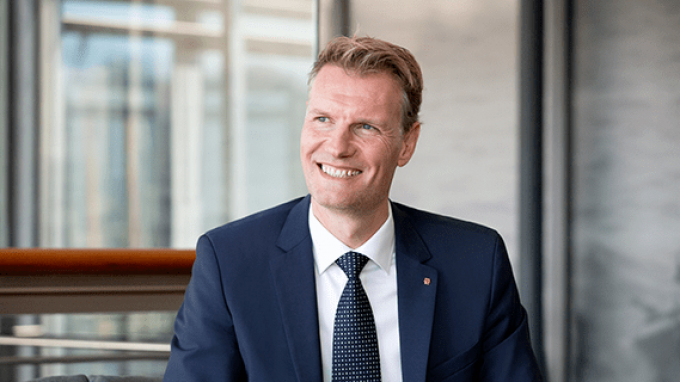
MSC has embraced market-based measures (MBMs) to help the industry meet its climate change targets, CEO Soren Toft said today.
Speaking ‘virtually’ at the HQ of the International Maritime Organization (IMO) as the keynote speaker for the London International Shipping Week conference, Mr Toft said “meeting global demand can no longer be decoupled from decarbonisation”.
He said that while new technologies were needed “at a pace never previously seen”, it was MBMs that would lay the groundwork for the transition to zero-carbon fuels.
“Let me make it clear, we fully support a global MBM incorporating carbon pricing that will help the industry decarbonise by reducing the gap in pricing between fossil and zero carbon fuels,” said Mr Toft.
However, for the industry to decarbonise, it needs a scalable fuel, which requires partnerships to develop that will provide the route to the zero-carbon transition. That is why MSC has partnered with some of the biggest companies in the world, such as Shell, “because we are not producers of fuel”, to make that transition, he explained.
IMO secretary general Kitack Lim said he had “heard, and shares, the sense of urgency expressed by many regarding dramatic climate change. The latest technical reports send a clear message that we need to accelerate the reduction of greenhouse gas emissions and shipping has to play its part”.
Perhaps with one eye on upcoming meetings critical for the shipping industry, the COP26 climate meeting and the IMO’s Marine Environment Protection Committee (MEPC77), Mr Lim added that IMO’s regulations were binding requirements that were enforced globally for more than 60,000 ships operating worldwide.
Politically, the push unilaterally from the EU has been for a regional MBM, with the development of the EU Emissions Trading System for shipping. That was a catalyst for a proposal by the International Chamber of Shipping (ICS) to propose a global MBM that will be discussed at MEPC77 in November.
For the shipping lines, the question is how to marry increasing economic demand with the social pressures resulting from climate change. That equation is a tough nut to crack without industry collaboration and further government backing, including investment in ports and inland infrastructure.
This was a theme Jan Dieleman, president of Cargill Ocean Transportation, also mentioned in the conference discussions. He said: “Transparency is very important, not just for decarbonising the assets, but also for decarbonising the supply chains.
“We need digital tools to get visibility into the supply chains, but we also need co-investment so that we all have skin in the game.”
For uninterrupted access, sign in or sign up to The Daily News, Premium or The Loadstar Enterprise Plan.
Comment on this article