Transpacific trades in unchartered water, with tariff uncertainty at the helm
A declining sales-to-inventory ratio in the US has been one of the key reasons behind ...

PLD: PROPOSAL DETAILSPLD: FINAL OFFERDSV: ROAD CEO MATTERSDSV: VOLUME PROGRESSION IN SEA FREIGHT DSV: TIME TO INCREASE THE VOLUMES IN SEA FREIGHTDSV: HEADCOUNT DISCREPANCIESDSV: TRASHEDDSV: IT IS A MATTER OF TRUSTDSV: FREE CASH FLOW QUESTIONEDDSV: QUESTION TIMEDSV: CEO ON SCHENKER INTEGRATIONDSV: CFO PREPARED REMARKSDSV: CEO PREPARED REMARKSDSV: CONF CALL FWRD: SHOOTING UPKNX: TRADING UPDATE ON THE WAY GM: TRADING UPDATE OUTUPS: REMEMBER THE TAILWINDS
PLD: PROPOSAL DETAILSPLD: FINAL OFFERDSV: ROAD CEO MATTERSDSV: VOLUME PROGRESSION IN SEA FREIGHT DSV: TIME TO INCREASE THE VOLUMES IN SEA FREIGHTDSV: HEADCOUNT DISCREPANCIESDSV: TRASHEDDSV: IT IS A MATTER OF TRUSTDSV: FREE CASH FLOW QUESTIONEDDSV: QUESTION TIMEDSV: CEO ON SCHENKER INTEGRATIONDSV: CFO PREPARED REMARKSDSV: CEO PREPARED REMARKSDSV: CONF CALL FWRD: SHOOTING UPKNX: TRADING UPDATE ON THE WAY GM: TRADING UPDATE OUTUPS: REMEMBER THE TAILWINDS
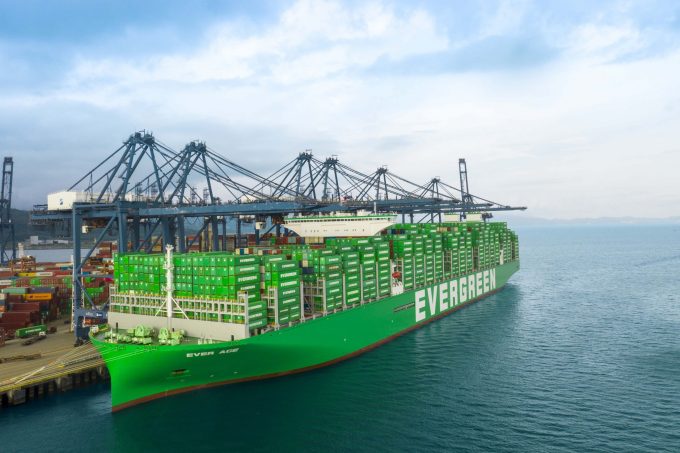
Evergreen’s corporate clients have committed to year-long transpacific shipping contracts at higher rates, despite uncertainty caused by the US-China tariff war, said general manager Wu Kuang Hui on Friday.
But he added that small and mid-sized enterprises were more risk-averse and more hesitant toward contracts.
Mr Wu said: “We expect the signing of all contracts to be completed by this week. Waiting beyond April would mean entering new contracts in May with greater exposure to risk over the next year.”
Despite mainline operators blanking transpacific sailings, as Chinese exporters hold back shipments, he is hopeful of an eventual recovery.
He said: “Goods shipped on China-US routes include essentials like food, clothing, housing materials, transportation items, and semi-finished goods, all of which represent in-elastic demand. Although shipments may be delayed, the need doesn’t go away.
“For example, Q2 transpacific volumes are down, but US importers are placing back-to-school orders. If companies don’t order now, they won’t make the autumn shelf season – this is more a supply shortage issue than a price increase.”
While there are signs that Chinese exports to the US might be shifting to South-east Asia, the trend is still weak and Mr Wu emphasised that the interdependence between China and the US was much deeper than imagined.
He said: “Sustaining high tariffs long-term would be difficult. We believe the two countries will eventually work things out.”
Finally, Mr Wu assured that Evergreen would be unlikely to be hard hit by the US Trade Representative’s levies on Chinese-built ships calling at US ports, as the Taiwanese shipping line’s ships were mostly built in South Korea and Japan.
From October, Chinese-built ships calling at US ports will be charged $18 per net tonnage of the vessel, or $120 per container discharged, depending on which amount is higher.
“Even factoring in ships scheduled for delivery in the next three years, the proportion of Chinese-built vessels in Evergreen’s fleet remains below 20%, giving the company flexibility to adapt to regulatory changes,” said Mr Wu.
Dive in for the latest supply chain news!
For uninterrupted access, sign in or sign up to The Daily News, Premium or The Loadstar Enterprise Plan.
Comment on this article