Tariff refund bandwagon rolls on, but SMEs struggling
US Customs officials have accepted more than 70% of the applications for refunds related to ...

WTC: 'ONE RECORD'HLAG: EARNINGS GUIDANCE UPGRADE AAPL: GLOBAL SMARTPHONE SHIPMENTS VW: THE IMPACT VW: MASSIVE JOB CUTS CONFIRMEDEXPD: BULLISHCHRW: POSITIONING AHEAD OF EARNINGSAMZN: IN THE NUMBERSAMZN: PEOPLE MATTER UNTILVW: THE LAST CUT IS THE DEEPESTJBHT: GEARING UP VW: BUYING TIMER: BIG VOTE OF CONFIDENCEAAPL: BEARISH HEDGEYE
WTC: 'ONE RECORD'HLAG: EARNINGS GUIDANCE UPGRADE AAPL: GLOBAL SMARTPHONE SHIPMENTS VW: THE IMPACT VW: MASSIVE JOB CUTS CONFIRMEDEXPD: BULLISHCHRW: POSITIONING AHEAD OF EARNINGSAMZN: IN THE NUMBERSAMZN: PEOPLE MATTER UNTILVW: THE LAST CUT IS THE DEEPESTJBHT: GEARING UP VW: BUYING TIMER: BIG VOTE OF CONFIDENCEAAPL: BEARISH HEDGEYE
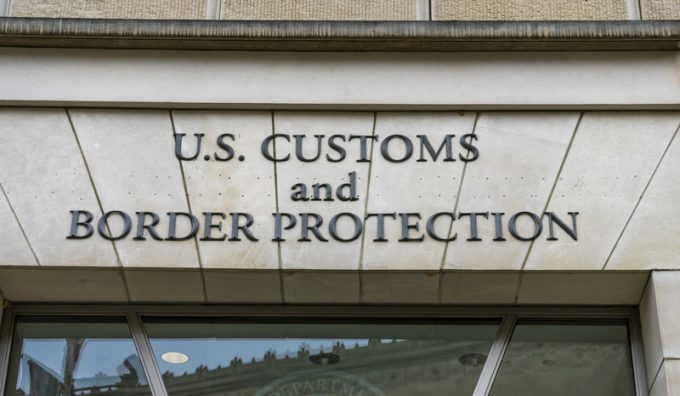
Foreign airlines are said to have reacted strongly to an emergency security change to US Customs regulations on airfreight, at least one carrier temporarily halting cargo sales as it seeks more clarity on the sudden additional requirement.
According to sources, an emergency amendment – with restricted access – has been passed by the US Transportation Security Administration (TSA) requiring carriers to submit additional details of shippers and consignees to the US Customs and Border Protection agency.
The new requirement became effective on 21 August, with one source describing its sudden implementation as a “shitshow”.
Earlier reports citing sources suggested Korean Air Lines had suspended its US-bound cargo services as it sought more clarification on the new requirements, however, a spokesperson for the carrier told The Loadstar: “Contrary to the report, Korean Air has not suspended all US-bound cargo services.
“Korean Air has made the decision to temporarily halt cargo sales for shipments originating from Europe, CIS, and Middle East regions destined for or transiting through the US until November 18, 2024 in response to the TSA regulations.”
Another source described the situation as “concerning” as carriers were being forced to find time to work out what was required under the new rules.
“Carriers are processing the mandate and communicating its requirements to the supply chain sector,” the source said. “Hopefully, interpretation and implementation will not take long, but curtailing services is unacceptable,” they added.
But, while the sources would not be drawn on what had prompted the emergency change, others suggested it was part of the US Air Cargo Advanced Screening System (ACAS).”
ACAS was launched in 2018 and allowed customs officials more time to determine if “dangerous” goods were US-bound, and gave them powers to order crews to unload cargo believed to be “suspicious”.
Its implementation followed “specific classified intelligence” of terrorist organisations seeking to exploit vulnerabilities in international air cargo security, according to the Department of Homeland Security.
For uninterrupted access, sign in or sign up to The Daily News, Premium or The Loadstar Enterprise Plan.
Comment on this article