Challenge joins India cargo rush as Europe-bound demand stays strong
Challenge Group is expanding its presence in India and China with new freighter services from ...


MATX: SMASHING RECORDSDHL: NEW HIGHSPLD: PAY UPCHRW: WAITING FOR THE NEXT EARNINGS BEATMAERSK: DEAL TIME FOR THE OWNERSDHL: ASSET POWERCAT: TIME TO SELLMAERSK: UPGRADEMAERSK: ANOTHER UPGRADE HITS THE WIRES
MATX: SMASHING RECORDSDHL: NEW HIGHSPLD: PAY UPCHRW: WAITING FOR THE NEXT EARNINGS BEATMAERSK: DEAL TIME FOR THE OWNERSDHL: ASSET POWERCAT: TIME TO SELLMAERSK: UPGRADEMAERSK: ANOTHER UPGRADE HITS THE WIRES
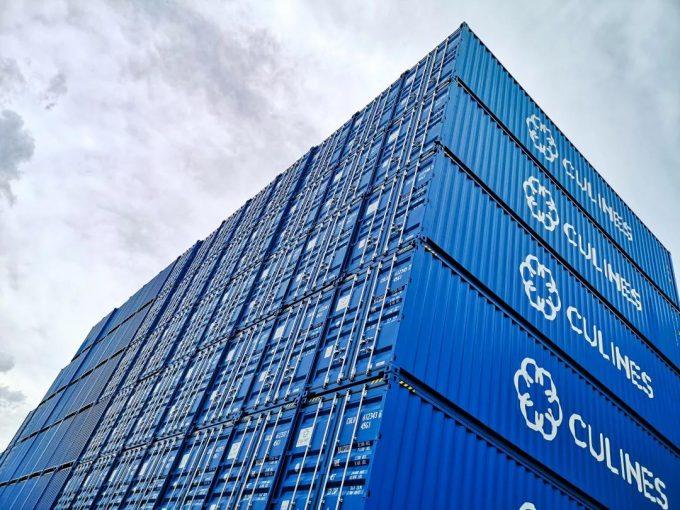
Chinese regional carrier China United Lines (CULines) is expanding its presence in the Persian Gulf, Red Sea and Indian subcontinent areas.
The state-backed carrier, which exited long-haul trades in 2023, is developing shortsea routes after opening a West Asia branch in Dubai on Monday, a month after launching an agency in India.
At the opening, CULines CEO Raymond Chen said: “The establishment of the West Asia company, following the launch of our agency in India further enhances our strategic bases in India, the Middle East, and the Red Sea region.
“CULines is accelerating the expansion of our route network in this region, and the West Asia company will play a pivotal role in linking our trunk and feeder networks, enhancing operational efficiency and collaboration.”
Dubai-based conglomerate Sharaf Group, whose business includes ship agency and forwarding, is working with CULines in the emirate.
In the early days of the Red Sea crisis, CULines was one of the few container carriers to move into the gap left as mainline operators diverted their services round the Cape of Good Hope to avoid Houthi attacks.
In January, it launched a Red Sea Express service connecting China with Jeddah, before teaming with CMA CGM, Emirates Shipping Line, Global Feeder, KMTC Line, and Regional Container Lines to offer a ‘butterfly’ service connecting Vietnam, Thailand, and India with the Persian Gulf.
In recent years, several container carriers and terminal operators have been dedicating more resources to Indian subcontinent and Middle East connections, as container exports to these regions grew as a result of infrastructure development and India’s increased trade ties with Gulf countries.
This article is © The Loadstar. Reproduction, rewriting, or derivative use requires a license. Contact [email protected] for licensing enquiries.
For uninterrupted access, sign in or sign up to The Daily News, Premium or The Loadstar Enterprise Plan.
Comment on this article