Global congestion threat as ports quickly flip from 'working' to 'overloaded'
While rapidly escalating fuel costs may be at the forefront of shippers’ minds as the ...


MAERSK: ANOTHER UPGRADEFWRD: HEALTHY CORRECTION R: RYDER CEO SAYS R: AMAZON ANNOUNCEMENTS RPLD: EV INFRASTRUCTURE PUSHDHL: RAMPING UP 'NEW ENERGY LOGISTICS' GXO: NEW WINAMZN: LTL SERVICE UPDATEGM: ENERGY PROVIDER MODELEXPD: LAYOFFS CONFIRMED DHL: DOWNSIDE RISKDHL: OVERVIEWDHL: DATE CENTRE PUSH IN APAC
MAERSK: ANOTHER UPGRADEFWRD: HEALTHY CORRECTION R: RYDER CEO SAYS R: AMAZON ANNOUNCEMENTS RPLD: EV INFRASTRUCTURE PUSHDHL: RAMPING UP 'NEW ENERGY LOGISTICS' GXO: NEW WINAMZN: LTL SERVICE UPDATEGM: ENERGY PROVIDER MODELEXPD: LAYOFFS CONFIRMED DHL: DOWNSIDE RISKDHL: OVERVIEWDHL: DATE CENTRE PUSH IN APAC
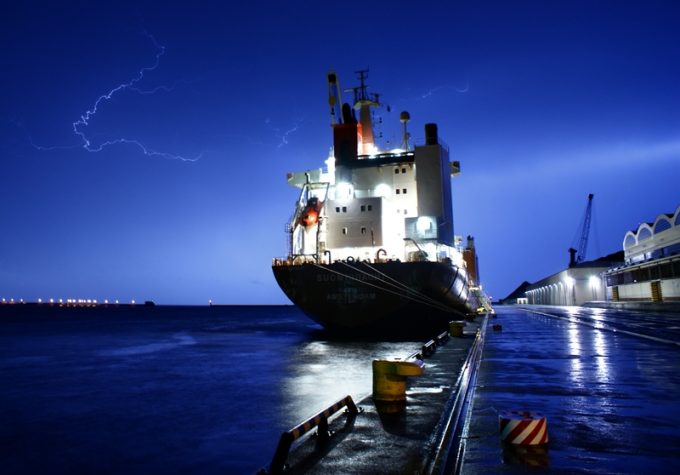
Absolutely fascinating article from Wired which looks at scientific research into lightning patterns that appears to have established a link between where it strikes and the fuel burn of the global shipping fleet. Researchers investigated why there was twice as much lightning activity in parts of the ocean that also happen to be the world’s busiest maritime trade routes, and the answer lies in the way that lightning forms – “aerosol convective invigoration” – which occurs when there are more particles, such as sulphur dioxide, in the air. And because ships have hitherto been burning high-sulphur fuel, there have been more of those particles in the areas they operate. But with IMO 2020 low-sulphur regulations due on 1 January, researchers believe this trend may about to be reversed.
For uninterrupted access, sign in or sign up to The Daily News, Premium or The Loadstar Enterprise Plan.

Comment on this article