Maersk ships early movers as IMO unveils Hormuz evacuation plan
The trickle of vessels transiting Hormuz strengthened into a flow almost overnight after the International ...


WTC: 'ONE RECORD'HLAG: EARNINGS GUIDANCE UPGRADE AAPL: GLOBAL SMARTPHONE SHIPMENTS VW: THE IMPACT VW: MASSIVE JOB CUTS CONFIRMEDEXPD: BULLISHCHRW: POSITIONING AHEAD OF EARNINGSAMZN: IN THE NUMBERSAMZN: PEOPLE MATTER UNTILVW: THE LAST CUT IS THE DEEPESTJBHT: GEARING UP VW: BUYING TIMER: BIG VOTE OF CONFIDENCEAAPL: BEARISH HEDGEYE
WTC: 'ONE RECORD'HLAG: EARNINGS GUIDANCE UPGRADE AAPL: GLOBAL SMARTPHONE SHIPMENTS VW: THE IMPACT VW: MASSIVE JOB CUTS CONFIRMEDEXPD: BULLISHCHRW: POSITIONING AHEAD OF EARNINGSAMZN: IN THE NUMBERSAMZN: PEOPLE MATTER UNTILVW: THE LAST CUT IS THE DEEPESTJBHT: GEARING UP VW: BUYING TIMER: BIG VOTE OF CONFIDENCEAAPL: BEARISH HEDGEYE
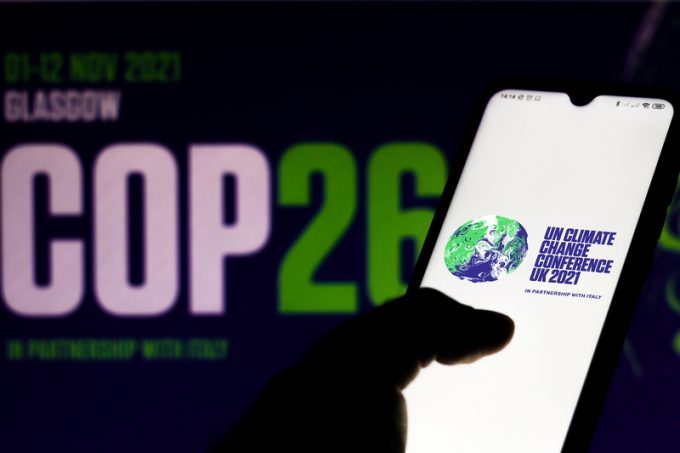
International Maritime Organization (IMO) secretary general Kitack Lim believes a successful COP26 in Glasgow this week will help drive the maritime decarbonisation process.
Speaking to The Loadstar at COP26, Mr Lim said shipping had made great progress, but the transition to alternative fuels must happen more rapidly, and the national leaders meeting in Glasgow could be key to making that happen.
“We’re looking for a very positive outcome, because COP26 is very much related to what we are doing for maritime decarbonisation.”
According to Mr Lim, the UNFCCC climate change mechanisms are very similar to the IMO mechanisms.
Mr Lim would not be drawn on the possibility of agreeing market-based measures at the Marine Environment Protection Committee meeting later this month, but he emphasised that the process would be given a significant boost by positive COP26 developments.
Mr Lim did say that the IMO was looking to speed up the decarbonisation process, and a definite plan from the leaders agreed this week would give the IMO the impetus to make more rapid changes.
As if to echo Mr Lim’s comments, UN secretary general António Guterres told delegates and world leaders there was no more time to lose, that lives and livelihoods were at stake – as is the world’s infrastructure.
He said it was no good for countries to propose nationally determined contributions (NDCs) that fall short of the Paris Agreement targets and, if countries did, “they will have to revisit their NDCs, not every five years, but every year and at every moment”.
Mr Guterres added: “The $100bn a year climate finance commitment in support of developing countries must become a $100bn climate finance reality. This is critical to restoring trust and credibility.
“I welcome efforts led by Canada and Germany to help get us there. It is a first step — but it delays the largest support for years, with no clear guarantees. But beyond the $100bn, developing countries need far greater resources to fight Covid-19, build resilience and pursue sustainable development.
“Those suffering the most – namely, least-developed countries and small island developing states – need urgent funding. More public climate finance, more overseas development aid, more grants and easier access to funding.”

For uninterrupted access, sign in or sign up to The Daily News, Premium or The Loadstar Enterprise Plan.

Comment on this article