'Bizarre' direct air waybill revamp a 'game-changer' for forwarders
NOTE: This story was updated at 15:55 BST to include a statement from IATA. Freight forwarders ...

TSLA: JUST AS VW STRUGGLESBA: NEW BIG ORDERBA: THE ORDERBOOK GROWSPLD: PUSHING FOR A DEAL PLD: TIME TO DEALEXPD: ANOTHER ALL-TIME HIGH CHRW: NEW RECORD DSV: AHEAD OF EARNINGS RELEASE JBHT: NEW HIGHS EVERYWHEREPLD: STRONG DELIVERYJBHT: FAIR-VALUE CONSENSUS ESTIMATE AT ALL-TIME HIGH KNIN: AI TECH ADVANTAGEPLD: TRADING UPDATE ON THE WAY KNIN: UPSIDE
TSLA: JUST AS VW STRUGGLESBA: NEW BIG ORDERBA: THE ORDERBOOK GROWSPLD: PUSHING FOR A DEAL PLD: TIME TO DEALEXPD: ANOTHER ALL-TIME HIGH CHRW: NEW RECORD DSV: AHEAD OF EARNINGS RELEASE JBHT: NEW HIGHS EVERYWHEREPLD: STRONG DELIVERYJBHT: FAIR-VALUE CONSENSUS ESTIMATE AT ALL-TIME HIGH KNIN: AI TECH ADVANTAGEPLD: TRADING UPDATE ON THE WAY KNIN: UPSIDE
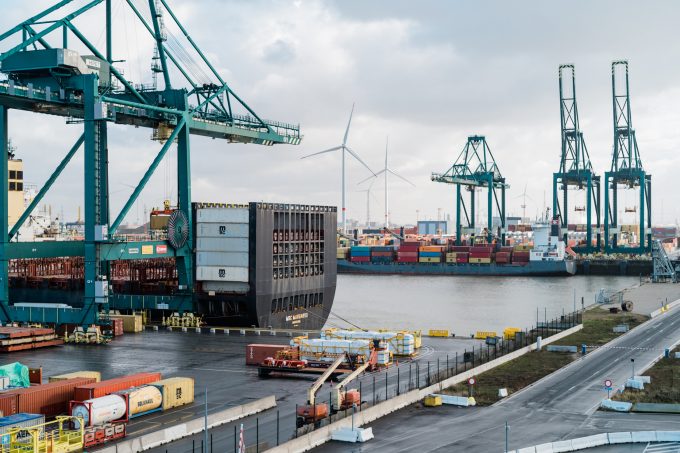
Major congestion across north European ports is forecast to last well into the summer, with this week’s strikes at Antwerp-Bruges not having helped the situation.
Before the start of industrial action on Tuesday, yard utilisation at Antwerp had already hit 96%, with reefer plugs reportedly over capacity at 112%.
More than 100 vessels were awaiting service after the strike concluded yesterday morning.
A port spokesperson told The Loadstar: “Some terminals have, where possible, moved vessels with large call sizes forward in their planning”, so “they could keep working on these vessels” amid the industrial action
The spokesperson added that the port was now “trying to clear the backlog as soon as possible”.
Although unwelcome, this latest strike – workers at Antwerp had engaged in labour action in March as well – is not the sole cause of the difficulties being felt in Northern Europe.
Maersk began to issue advisories in mid-April that operators were contending with “increasing congestion levels and operational disruptions at several ports”, pointing to low inland water levels, amendments to ocean networks, and a drop in available labour.
Added to which, a spokesperson for the Belgian gateway told The Loadstar: “Schedule reliability and large calls-sizes also are an issue.”
“Almost all ports across Northern Europe have to deal with the same issues, as the same carriers call there and as they serve the same hinterland, and the subsequent congestion. As port authority, we have limited impact on this.
“Terminals, in consultation with the shipping line, try to deal with the situation… and it’s impossible. The situation in Antwerp is no worse than elsewhere.”
Forwarder Metro Shipping noted backlogs in Germany, the Netherlands, and the UK, where Felixstowe, London Gateway, and Southampton were all reportedly contending with issues prompted by vessel diversions from continental ports.
Metro claimed Germany’s Bremerhaven had some 30% of scheduled vessel arrivals waiting for a berth, a situation compounded by inland rail disruptions.
It added: “Landslides and line closures near Hannover forced lengthy rail detours, impacting traffic to and from ports including Hamburg, Rotterdam, and Duisburg. Rail delays are causing a cascading effect across Northern Europe’s inland logistics.
“Simultaneously, low water levels on the Rhine are limiting barge capacity, shifting more freight to already stretched rail and road networks.”
And it seems many are preparing for the congestion to last into the summer, and potentially beyond, with Metro pointing to forecasts citing “three to four months” as a consequence of the bedding-in of alliance network changes.
“Importers and exporters should prepare for longer lead times, increased costs, and fluctuating capacity at Europe’s busiest container ports,” the forwarder warned.
For uninterrupted access, sign in or sign up to The Daily News, Premium or The Loadstar Enterprise Plan.
Comment on this article